
Many people think road rage in Massachusetts means dramatic confrontations—drivers screaming, throwing punches, and making headlines. The reality proves far more dangerous. Most road rage incidents start as seemingly aggressive acts that escalate to hostile driving behaviors. This is when road rage incidents often become much more deadly than a fistfight.
The line between frustration and fury proves thinner than most drivers realize, and the consequences reach far beyond damaged vehicles. If a road-raging driver injured you or claimed the life of a loved one, consider working with a Massachusetts car accident lawyer to hold the driver accountable.
Understanding Road Rage Behavior
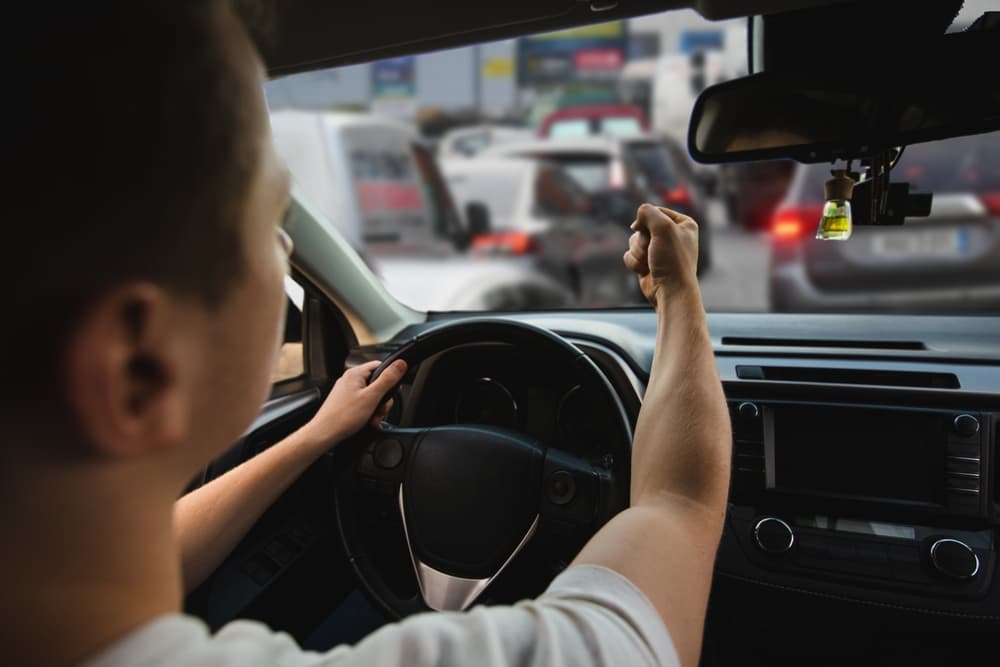 Road rage encompasses far more than angry honking or rude gestures. Massachusetts law enforcement and traffic safety experts identify three broad categories of aggressive behavior that frequently lead to collisions and injuries.
These patterns represent the moments when a driver’s actions cross from annoying to dangerous, creating liability for any injuries or other harm that may follow.
According to the American Safety Council’s SafeMotorist.com, law enforcement attributed 218 murders and 12,610 injuries to accidents caused by road rage over a seven-year research period. The rate of aggressive driving and road rage continues to climb steadily year after year in most states.
How road rage differs from aggressive driving
Aggressive driving involves traffic violations like speeding or tailgating, but road rage takes things further. The distinction lies in intent and emotion. Aggressive driving might stem from rushing or carelessness, while road rage stems from anger directed at another person.
Massachusetts General Law addresses the reckless operation of motor vehicles, providing legal consequences when a driver’s emotions translate into dangerous behavior behind the wheel.
The National Highway Traffic Safety Administration (NHTSA) tracks these incidents nationwide and reports that aggressive driving contributes to 66% of all fatal crashes. When anger fuels the aggression, the risk multiplies because the driver’s judgment becomes impaired by emotion rather than simply poor decision-making.
Recognizing Road Rage
Knowing how to identify the types of road rage in real time gives you the power to protect yourself. The aggressive driver cutting you off might just be running late, but the one who follows you with threatening gestures or deliberate intimidation tactics presents a genuine danger. These distinctions matter both for your immediate safety and for any legal claim that may arise if their behavior causes a crash.
Road rage typically manifests through three general behavioral categories:
- Verbal outbursts or expressions
- Physical actions or threatening gestures
- Intentionally unsafe driving practices
Each category represents an escalation from normal driving behavior, and each creates distinct forms of danger on Massachusetts roads.
Category 1: Verbal outbursts and hostile expressions
This category includes any aggressive communication directed at another driver. The hostile driver might scream obscenities, make threatening statements, or use their vehicle’s horn as a weapon of intimidation.
Specific behaviors in this category include:
- Excessive honking intended to intimidate rather than alert other drivers
- Yelling threats or insults at other drivers through open windows
- Using profanity-laced tirades to express anger at perceived slights
- Making verbal threats of violence or property damage
- Continued harassment through shouted comments at multiple points during a drive
These verbal expressions often serve as precursors to more dangerous physical actions. While words alone may not cause immediate physical harm, they create a hostile environment that distracts both the aggressor and the target from safe driving.
In Massachusetts traffic, where roads narrow and congestion builds quickly, these distractions prove especially dangerous near rotaries, in construction zones, or on highways like Route 2 or Interstate 495.
The psychological impact on targeted drivers creates its own hazard. A driver subjected to screaming or threats may react defensively, make sudden maneuvers to escape the aggressor, or become so rattled that their own driving suffers. Insurance companies and courts recognize this chain of causation when verbal road rage contributes to collisions.
Category 2: Physical actions and threatening gestures
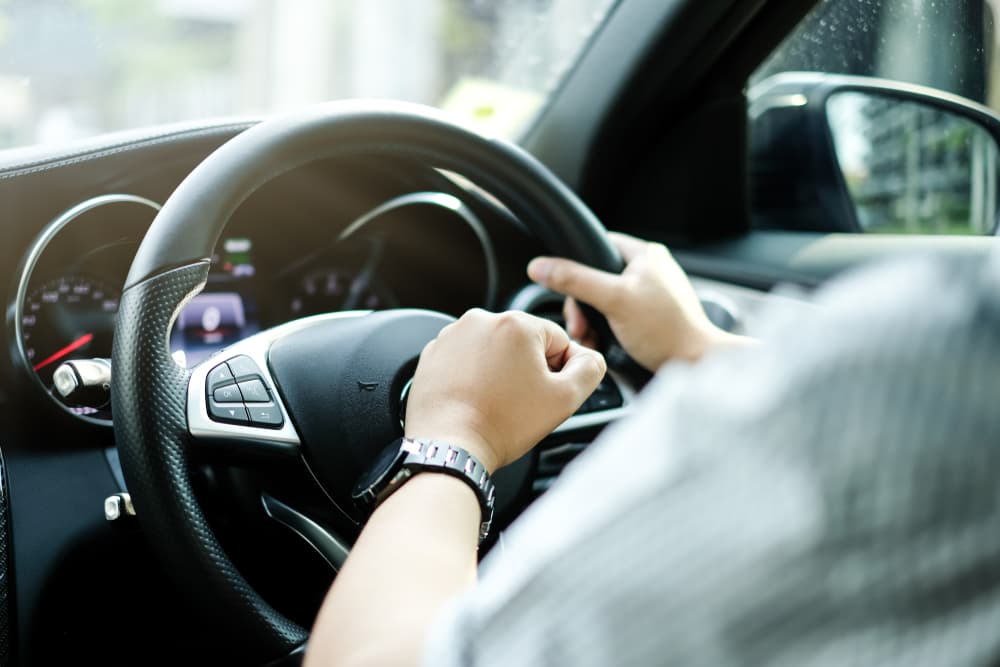 Aggressive driving escalates when drivers move from words to physical displays of anger. These actions range from universally recognized hostile gestures to actual physical contact between vehicles or individuals.
Physical road rage behaviors break down into several distinct types:
- Aggressive hand gestures meant to insult, threaten, or provoke other drivers
- Brandishing objects or weapons through windows to intimidate
- Throwing items at other vehicles, including bottles, food, or debris
- Exiting a vehicle at stoplights or in traffic to confront another driver
- Making contact with another vehicle through deliberate bumping or sideswiping
The progression from gestures to physical confrontation happens quickly. A driver who begins with an obscene gesture may escalate to leaving their vehicle if the target responds or if traffic creates an opportunity for confrontation. Massachusetts law treats these actions seriously because they create immediate danger not just to the involved parties but to surrounding traffic.
Research published by the National Center for Biotechnology Information confirms that these physical manifestations of road rage correlate strongly with crash risk. The aggressive driver becomes so focused on expressing anger that basic safety concerns fade from consideration. Meanwhile, targeted drivers may panic, leading to sudden lane changes, hard braking, or other defensive maneuvers that trigger multi-vehicle collisions.
Physical confrontations at intersections create particular problems in Massachusetts cities like Worcester, Springfield, and Boston, where traffic density means dozens of witnesses and potential victims surround any aggressive incident. A driver who exits their vehicle to threaten another person puts everyone nearby at risk, potentially resulting in various types of collisions, including those involving multiple vehicles.
Category 3: Intentionally unsafe and illegal driving practices
The most dangerous form of road rage in Massachusetts involves deliberate, unsafe driving intended to punish, intimidate, or harm another driver. These actions go beyond mere aggressive driving into territory that Massachusetts prosecutors may charge as assault with a dangerous weapon.
Common unsafe practices driven by road rage include:
- Brake checking, where a driver suddenly slows or stops to force a following vehicle to brake hard
- Tailgating at unsafe distances meant to intimidate rather than pass
- Blocking another vehicle from changing lanes or exiting
- Forcing another car off the road through aggressive maneuvering
- Speeding up to prevent another driver from merging or passing
These behaviors transform a vehicle into a weapon. A car or truck weighs thousands of pounds and travels at high speeds, making any intentional misuse potentially fatal. Massachusetts courts have prosecuted road rage cases as assault when aggressive drivers use their vehicles to threaten or harm others, sometimes resulting in wrongful death cases.
Brake checking proves particularly dangerous because it violates the targeted driver’s reasonable expectation of traffic flow. Following distance calculations assume the lead vehicle will maintain speed or slow gradually. A sudden, unnecessary stop eliminates reaction time and often results in rear-end collisions that can injure everyone involved.
Blocking maneuvers take various forms but share a common intent: preventing another driver from proceeding safely. This might involve straddling lanes to stop someone from passing, matching speed with another vehicle to trap a third driver, or deliberately occupying space needed for a merge or lane change. These tactics create dangerous situations on Massachusetts highways where traffic moves at 65 miles per hour or faster.
Forcing another vehicle off the road represents the most extreme form of this category. The aggressive driver uses their vehicle’s size, speed, or position to push another car toward the shoulder, median, or even off the roadway entirely. Massachusetts General Law Chapter 265, Section 13A addresses assault by means of a dangerous weapon, and prosecutors have successfully applied this statute to road rage cases where drivers weaponized their vehicles.
Legal Consequences of Road Rage in Massachusetts
Is road rage a crime in Massachusetts? The answer depends on the specific actions involved, but many road rage behaviors violate state traffic laws or criminal statutes.
Traffic violations and criminal charges
Road rage penalties vary based on severity. Minor incidents may result in traffic citations, while serious cases lead to criminal prosecution. Potential charges include:
- Traffic citations for following too closely, improper passing, or failure to yield
- Criminal reckless driving charges
- Assault with a dangerous weapon
- Vehicular homicide if someone dies
A traffic citation carries fines and license points. Criminal charges bring jail time, substantial fines, and permanent records. Insurance companies often deny coverage when drivers act intentionally rather than negligently.
Civil liability for injuries and damages
Beyond criminal penalties, aggressive drivers face civil liability. Massachusetts personal injury law holds drivers responsible when their intentional or reckless actions harm others.
Victims may pursue compensation for medical expenses, lost wages, pain and suffering, and property damage. In egregious cases, courts may award punitive damages to punish the aggressive driver and deter similar behavior.
Protecting Yourself from Road Rage
What should you do if another driver is aggressive? Your response can directly impact your safety and any potential legal claims that may follow.
Immediate safety steps
Remove yourself from danger immediately. Avoid engaging with the aggressive driver through gestures, eye contact, or escalating actions.
If possible, change lanes, take a different route, or pull into a well-lit public area. Never stop in isolated locations or continue a confrontation.
Document the incident
Evidence strengthens your position if the encounter leads to a collision or police report.
Key details to note:
- Vehicle description and license plate
- Location and direction of travel
- Specific aggressive behaviors witnessed
- Time of incident
If you have a passenger, ask them to record details or use their phone to document safely.
When to call the police
Road rage incidents in Massachusetts warrant police involvement when the behavior poses a threat to safety or violates the law. Call 911 if you witness brake checking, intentional ramming, or attempts to force vehicles off the road.
Even if danger passes, file a police report. This creates an official record valuable for discovering injuries later or if the aggressive driver causes other crashes.
Road Rage Accidents and Personal Injury Claims
 Can you sue someone for road rage in Massachusetts? Yes. When an aggressive driver causes a crash that injures you, Massachusetts law provides clear paths to recovery.
Road rage cases differ from typical accidents because they involve intentional conduct rather than simple negligence. Evidence plays a critical role. Strong evidence includes:
- Witness statements from other drivers who observed the behavior
- Dash camera or traffic camera footage
- Cell phone videos capturing the incident
- Police reports documenting aggressive driving or citations
These elements provide independent verification of what occurred and strengthen claims significantly.
Available compensation
Injuries from road rage crashes often prove severe because the crashes themselves tend to be violent. Aggressive drivers typically travel at high speeds or make sudden maneuvers that cause brain injuries, spinal cord damage, and whiplash.
Massachusetts law allows victims to pursue compensation for medical expenses, lost income, pain and suffering, and property damage. Road rage victims often experience psychological impacts because crashes result from intentional aggression. Courts may award punitive damages when behavior seems particularly egregious.
Answering Your Questions About Road Rage in Massachusetts
What triggers road rage in drivers?
Stress, time pressure, traffic congestion, and personal frustrations contribute to road rage, particularly in individuals with a short temper. Some drivers have a lower tolerance for perceived slights. Heat and uncomfortable conditions may lower patience thresholds, but nothing excuses dangerous behavior.
How does Massachusetts define reckless driving?
Massachusetts law defines reckless driving as operating a vehicle in a manner that endangers public safety. Courts consider excessive speed, aggressive weaving, ignoring signals, and impaired driving. Road rage behaviors often meet this definition.
Can road rage affect insurance claims?
When evidence shows intentional harm rather than accident, insurers may deny coverage under policy exclusions. This leaves aggressive drivers personally liable, strengthening your recovery ability but potentially complicating the claims process.
What’s the difference between aggressive driving and road rage?
Aggressive driving involves violations like speeding or tailgating without personal animosity. Road rage adds anger directed at specific individuals. The distinction lies in emotional state and intent. Both create danger, but road rage typically results in more severe consequences.
How long do I have to file a claim after a road rage accident?
Massachusetts requires filing within three years under the statute of limitations. However, waiting compromises claims as evidence disappears and witnesses’ memories fade. Starting the legal process soon protects your rights.
Getting Help After a Road Rage Incident

Bailey, Michael J., Car Accident Lawyer
Road rage transforms ordinary drives into dangerous encounters that leave victims injured, shaken, and facing uncertain futures. When aggressive drivers cause crashes, they create legal liability for the damages that follow.
At the Law Offices of Bailey & Burke, our experienced car accident lawyers understand what road rage victims experience and what it takes to build strong cases against aggressive drivers.
Our Massachusetts legal team investigates every case we handle thoroughly, gathering evidence that proves how anger-fueled behavior caused your crash and injuries. Contact us online or call to discuss your road rage crash and learn how we fight for compensation that holds the offending driver accountable, delivers justice, and helps you move forward.
