
How Does a Drunk Driving Accident Affect Your Massachusetts Injury Claim?
Quick Answer: A drunk driving accident injury claim in Massachusetts follows the same basic steps as other car accident claims. A guilty plea or conviction for Operating Under the Influence (OUI) may serve as evidence of the driver’s negligence. Massachusetts law may also allow a claim against a bar or restaurant that served the driver.
A drunk driving accident changes an injury claim in ways a routine car accident does not. Massachusetts law treats the drunk driver’s conduct as strong evidence of negligence. It also opens the door to legal options a typical fender bender never reaches. That includes a possible claim against the bar or restaurant that served the driver.
An insurance company still tries to limit payouts, especially when the at-fault driver later pleads guilty to Operating Under the Influence (OUI).
Call the Law Offices of Bailey & Burke at 888-368-0983 for a free consultation about your Massachusetts injury claim.
Key Takeaways About Drunk Driving Accidents and Massachusetts Injury Claims
- A drunk driving crash creates two separate legal cases: a criminal OUI case brought by the state, and a civil injury claim brought by the injured person.
- A guilty plea or conviction in the criminal case may serve as evidence in the civil claim, though the two cases use different standards of proof.
- Massachusetts dram shop law allows a claim against a bar, restaurant, or other establishment that kept serving a visibly intoxicated patron who later caused a crash.
- Comparative negligence rules still apply in a drunk driving case, and an injured person recovers compensation as long as they were not more than fifty percent at fault.
- A wrongful death claim tied to a drunk driving crash may include punitive damages when the driver’s conduct was reckless or wanton.
What Happens After a Drunk Driver Hits You in Massachusetts?
A drunk driver hit you in Massachusetts, and a police investigation moves forward the week you begin your medical recovery. In the days following the crash, expect:
- A visit or call from the investigating officer about the police report
- Contact from the at-fault driver’s insurance company within days
- A separate criminal case moving forward, whether you are asked to testify
- Requests for medical records from more than one insurance company
- A settlement offer that arrives before treatment is anywhere near finished
What Makes a Drunk Driving Crash Different From a Standard Car Accident Claim?
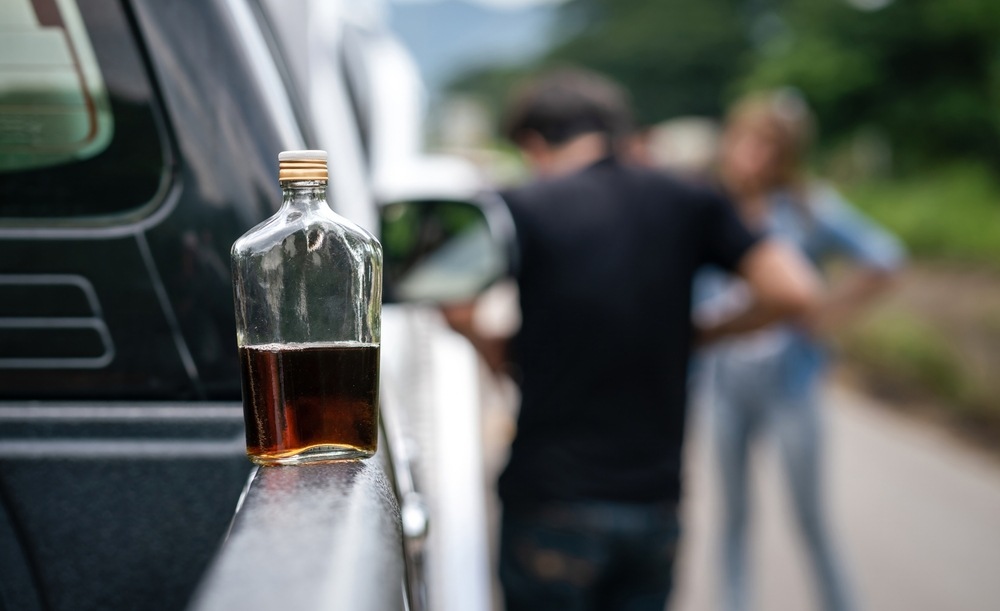 Liability in a drunk driving car accident rests on evidence a routine crash claim never has. A breathalyzer result, a field sobriety test, or an OUI citation documents the at-fault driver’s impairment. Ordinary careless driving rarely leaves behind that kind of direct proof.
This matters because Massachusetts civil claims still require proof that the other driver acted negligently. Impairment evidence from the criminal case answers that question directly, without requiring extensive accident reconstruction.
Evidence Unique to a Drunk-Driving Injury Claim
A drunk driving case generates records that do not exist in a typical crash. Gathering them early strengthens the civil claim. Relevant records include:
- The police report noting signs of impairment observed at the scene
- Breathalyzer or blood alcohol test results from the arrest
- Field sobriety test documentation recorded by the responding officer
- Any citation issued for Operating Under the Influence
- Receipts, surveillance footage, or staff statements from where the driver was served alcohol
Is the Criminal OUI Case the Same as Your Civil Injury Claim?
A criminal OUI case and a civil injury claim address different questions, even though both come from the same crash. The criminal case decides whether the state proves the driver broke the law. The civil claim decides whether the injured person receives compensation.
| Feature | Civil Injury Claim | Criminal OUI Case |
|---|---|---|
| Who brings the case | The injured person | The Commonwealth of Massachusetts |
| Standard of proof | Preponderance of the evidence | Beyond a reasonable doubt |
| Outcome sought | Financial compensation | Fines, license suspension, or jail time |
| Typical pace | Moves at its own pace, frequently past a year | Frequently resolves faster through a plea |
A conviction or guilty plea in the criminal case may serve as evidence supporting the civil claim. It reflects a finding tied to the same impairment. The civil claim moves forward on its own, whether the criminal case ends in a conviction, a plea, or a dismissal.
Is the Bar or Restaurant That Served the Driver Liable Too?
A bar, restaurant, or other establishment may share legal responsibility for a drunk driving crash under Massachusetts dram shop law. This applies when the establishment kept serving alcohol to a patron who showed visible signs of intoxication.
Massachusetts General Laws Chapter 138, Section 69, sets out this liability for licensed servers of alcohol. Proving a dram shop claim requires evidence that staff continued serving a visibly intoxicated patron shortly before the crash.
This claim opens up an additional insurance policy beyond the driver’s own auto coverage. Commercial establishments typically carry liquor liability insurance specifically for this kind of claim, separate from general property insurance.
Signs an Establishment Overserved the Driver
A dram shop claim depends on specific facts about how the driver was served, not just on the fact that the driver was drinking. Evidence our firm looks for includes:
- Staff continuing to serve the patron after visible signs of intoxication, such as slurred speech or stumbling
- A tab or receipt showing numerous drinks served over a short period
- Bartender or server statements about the patron’s condition before leaving
- Video footage showing the patron’s behavior at the bar
- Prior complaints or citations against the establishment for overserving patrons
What Compensation Can I Recover After a Drunk Driving Crash?
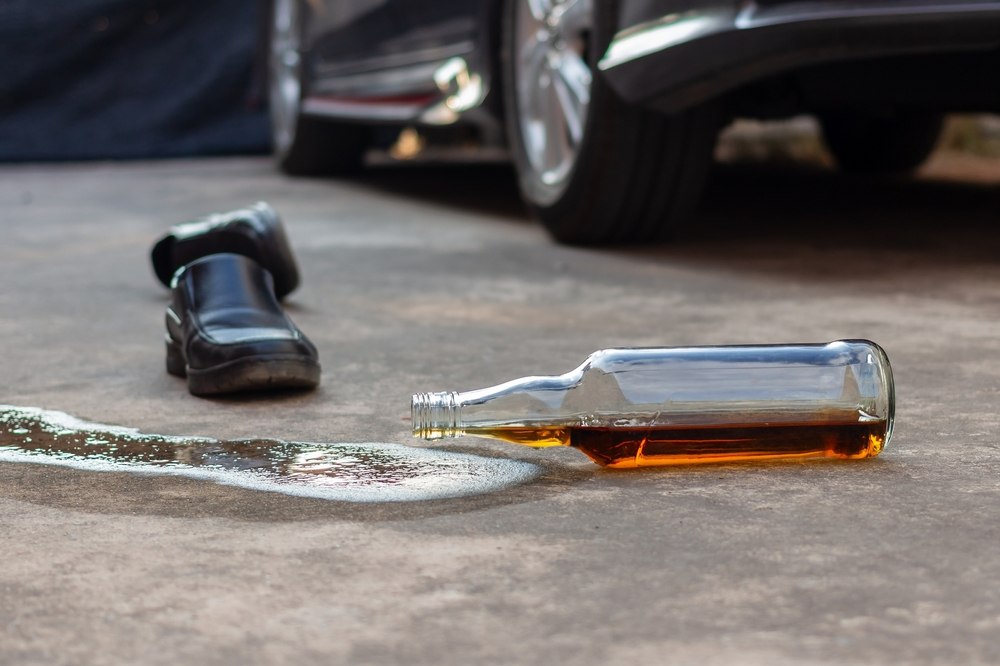 Compensation in a drunk driving injury claim covers the same categories as other Massachusetts motor vehicle claims. A wrongful death case adds additional categories on top of those. A claim reaches toward:
- Emergency treatment, hospitalization, and follow-up medical costs
- Lost wages and reduced earning capacity during recovery
- Pain and suffering tied to the physical and emotional impact of the crash
- Property damage beyond the standard collision estimate
- Punitive damages in a wrongful death case involving reckless conduct
Massachusetts allows punitive damages in a wrongful death claim under Chapter 229, Section 2. This applies when the death involved malicious, willful, wanton, or reckless conduct. A drunk driving fatality frequently meets that standard, though every case depends on its own facts.
How Does Comparative Negligence Apply in a Drunk Driving Case?
An injured person’s conduct still factors into a drunk driving claim, even when the other driver’s impairment is clear. Massachusetts applies the same comparative negligence rule described in Chapter 231, Section 85. This rule applies regardless of how the crash happened.
An injured person recovers compensation as long as they were not more than fifty percent at fault for the crash. A drunk driver’s impairment rarely shifts much fault onto the injured person. An insurance company may still raise the argument to reduce what it pays.
How Long Do You Have to File a Massachusetts Injury Claim After a Drunk-Driving Accident?
Massachusetts gives an injured person three years from the date of the crash to file a personal injury lawsuit. This deadline comes from Chapter 260, Section 2A. It applies whether the at-fault driver faces a criminal OUI charge.
A wrongful death claim tied to a fatal drunk driving crash follows a separate three-year deadline under Chapter 229, Section 2. That clock starts from the date of death, not the date of the crash. Waiting for the criminal case to conclude does not pause either deadline.
Does a Repeat OUI Offender Change the Civil Claim?
A driver’s history of prior OUI charges does not change the basic legal elements of a civil injury claim. It still becomes relevant evidence in numerous instances. A pattern of prior offenses may support a broader argument about the driver’s disregard for other people’s safety.
Massachusetts courts treat this kind of history carefully, since a prior charge is not automatically admissible simply because it exists. Our firm evaluates whether a driver’s record fits into the civil case on a claim-by-claim basis. That evaluation depends on how directly the history connects to the conduct at issue.
A repeat offender’s employer may also carry separate liability in specific situations. One example is when the drunk driver was working at the time of the crash. A commercial driver with a known history of substance issues raises questions about the employer’s own hiring and supervision practices.
Drunk Driving Accident Injury Claim FAQs
Do I need to wait for the criminal case to end before filing my civil claim?
No. A civil injury claim moves forward on its own timeline, independent of the criminal case’s pace. Waiting for a plea deal or trial date means losing valuable time on the civil filing deadline.
What if the drunk driver has no insurance or not enough coverage?
Uninsured and underinsured motorist coverage on your own auto policy typically responds in that situation. Massachusetts requires uninsured motorist coverage on every auto policy for exactly this circumstance.
Does a not-guilty verdict in the criminal case end my civil claim?
No. A civil claim uses a lower standard of proof than a criminal case, so a not-guilty verdict does not automatically defeat a civil claim. Independent evidence, including the police report and witness statements, still supports the civil case.
What if I was a passenger in the drunk driver’s own vehicle?
A passenger injured by their own driver’s impaired driving still has a claim against that driver’s auto insurance, though an insurer may argue the passenger shares fault if they knew the driver was impaired. The driver’s impairment does not remove a passenger’s right to pursue compensation.
Do I need the criminal case number to start my civil claim?
No, though it helps our firm request records tied to the arrest. A civil claim begins with the crash itself, the police report, and available medical records, and grows from there.
Does a DUI conviction help my injury claim?
Yes, but only as evidence, not as a deciding factor. A DUI or OUI conviction may serve as evidence of the driver’s negligence in your civil claim. Your claim still needs medical records, wage documentation, and proof of the injury’s impact to establish the amount you may recover. Our overview of Massachusetts drunk driving accident statistics shows how often these crashes lead to serious injuries across the state.
How Do the Law Offices of Bailey & Burke Handle a Drunk Driving Injury Claim?
Our firm treats a drunk driving case differently from a standard car accident claim from the first phone call. A pending criminal case changes what evidence exists, when it becomes available, and how an insurance company responds to a demand letter.
Attorney Shawn P. Bailey has represented injured clients across Worcester County in cases where the at-fault driver faced OUI charges alongside the civil claim. Coordinating with what happens in criminal court, without waiting on it, keeps a civil claim moving on its own timeline.
Our firm requests the police report, the booking record, and any breathalyzer or field sobriety documentation as early as possible in a drunk driving case. This evidence gets harder to access once the criminal case moves toward a plea deal or trial date.
What Our Firm Confirms During the First Week
A drunk driving case moves fast in its first week, while records still exist in their original form. Our firm confirms:
- Whether an arrest occurred, and under what OUI charge
- Which insurance policy covers the driver personally
- Whether the driver was leaving a bar, restaurant, or private event
- Whether any surveillance footage exists from the establishment or nearby businesses
- Whether the injured person’s own medical treatment has started and is documented
Confirming these details early prevents gaps that become harder to fill once memories fade and footage gets overwritten.
Start Your Massachusetts Injury Claim Before Evidence Disappears

Bailey, Michael J., Car Accident Lawyer in Massachusetts
A drunk driving case moves on two separate clocks, and neither one waits for the other. Surveillance footage from the bar that served the driver, dashcam recordings, and even the arresting officer’s memory of the scene all fade with time.
Call the Law Offices of Bailey & Burke for a free consultation at 888-368-0983 to talk through your Massachusetts injury claim.