
Quick Answer
Rideshare accident liability in Massachusetts depends on the Uber or Lyft driver’s status in the app when the crash occurred. Insurance coverage changes when the app is off, when the driver is waiting for a ride request, and when a trip has been accepted or is in progress, which directly affects who pays an injury claim.
Why Does Rideshare Accident Liability in Massachusetts Matter?
A rideshare crash raises questions that do not exist in most Massachusetts motor vehicle accident claims. The answer to who pays depends on whether the driver was using the Uber or Lyft app and what happened seconds before the collision.
That single detail changes which insurance company handles the claim and how much coverage is available. Bailey & Burke reviews rideshare cases across Massachusetts, identifies every available insurance policy, and explains your legal options before settlement discussions begin.
If you suffered injuries in an Uber or Lyft crash, call Bailey & Burke at 888-368-0983 for a free consultation. If your crash happened in Clinton, our Clinton rideshare accident team can walk you through the local details of your claim. You pay nothing upfront, and we charge no fee unless we recover compensation for you. For crashes in Fitchburg, we also offer rideshare accident representation in Fitchburg.
Key Takeaways About Rideshare Accident Liability in Massachusetts
- Rideshare insurance changes based on the driver’s status in the Uber or Lyft app.
- More than one insurance policy may apply after a Massachusetts rideshare crash.
- Electronic trip records often become important evidence in liability disputes.
- Massachusetts comparative negligence rules affect financial recovery.
- Early evidence preservation helps identify the correct insurance carrier.
How Does Rideshare Accident Liability Work in Massachusetts?
Rideshare accident liability in Massachusetts depends on negligence and insurance coverage. Determining fault remains important, but identifying which insurance policy applies often becomes the first major issue after an Uber or Lyft collision.
Unlike a traditional car accident, rideshare claims involve several possible insurance policies. A driver’s personal insurer, Uber or Lyft’s commercial policy, or another driver’s insurer all become involved depending on the driver’s status at the time of the crash.
Liability Depends on More Than Fault
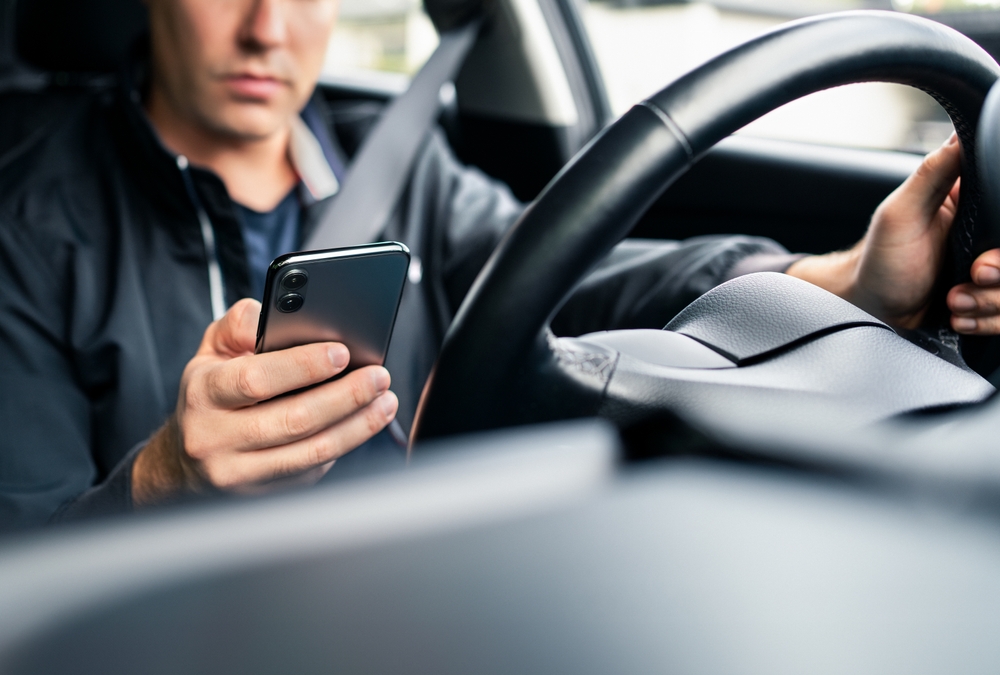 Establishing negligence answers only part of the claim. Insurance companies also determine whether the driver used the rideshare app for personal travel or commercial activity.
Several facts help answer that question.
- The driver had the Uber or Lyft app turned off.
- The driver waited for a ride request.
- The driver accepted a trip and traveled toward the pickup location.
- The passenger was already inside the vehicle.
- The trip had ended before the collision occurred.
Those details shape the insurance coverage available after the crash. Even a difference of a few seconds can affect which policy responds to the claim.
Electronic Records Matter
Rideshare companies maintain digital records that traditional drivers do not create. Those records frequently become valuable evidence during insurance claims.
Electronic evidence includes app login records, trip acceptance times, GPS data, route history, and trip completion records. Together, those records help establish the driver’s exact status when the collision occurred.
Insurance companies frequently compare those records with police reports, witness statements, and vehicle data before deciding which policy applies.
How Do Uber and Lyft Insurance Change During a Trip?
Uber and Lyft insurance coverage changes throughout the driver’s workday. The highest commercial coverage generally applies only after a ride request has been accepted or while a passenger remains in the vehicle.
Many people assume Uber or Lyft provides the same insurance at all times. Massachusetts rideshare claims do not work that way.
Insurance Coverage Depends on the Driver’s App Status
The driver’s activity inside the app determines which insurance policy responds first after a collision.
| Driver Status | Primary Insurance | Typical Coverage Situation | Common Liability Question |
|---|---|---|---|
| App off | Personal auto insurance | Personal policy applies | Standard motor vehicle claim |
| App on, waiting for request | Personal policy plus limited rideshare coverage | Contingent company coverage may apply | Which insurer pays first? |
| Ride accepted, traveling to pickup | Uber or Lyft commercial policy | Higher liability limits become available | Driver acted within the app |
| Passenger in vehicle | Uber or Lyft commercial policy | Highest available company coverage | Multiple injured parties may file claims |
| Trip completed and app off | Personal auto insurance | Commercial coverage ends | Personal insurer resumes responsibility |
Understanding the driver’s app status helps identify the correct insurance company early. That determination affects both claim handling and the amount of insurance available.
Why the Coverage Gap Creates Disputes
The period between turning on the app and accepting a ride request creates many insurance disputes. During that time, personal insurance companies and rideshare insurers sometimes disagree about responsibility.
Those disagreements delay claim payments while insurers review electronic records, policy language, and crash evidence. Early collection of rideshare data helps reduce uncertainty during that process.
Who Pays After a Massachusetts Uber or Lyft Accident?
The answer depends on who caused the crash and which insurance policy applied when the collision occurred. Some claims involve only one insurer, while others involve several companies reviewing the same accident.
Massachusetts follows a fault-based insurance system for bodily injury claims. That means the driver or business legally responsible for the collision generally pays for the damages through available insurance coverage.
Several Parties Could Share Financial Responsibility
More than one insurance policy sometimes contributes to resolving a rideshare injury claim.
Possible sources of recovery include:
- The rideshare driver’s personal automobile insurance.
- Uber or Lyft’s commercial liability coverage.
- Another driver’s liability insurance.
- Your uninsured or underinsured motorist coverage.
- Commercial insurance carried by another business involved in the collision.
Identifying every available policy helps create a complete picture of the claim before settlement negotiations begin. Overlooking one source of coverage may leave substantial insurance benefits unused.
Can I Still Recover Compensation if I Was Partly at Fault for a Rideshare Accident?
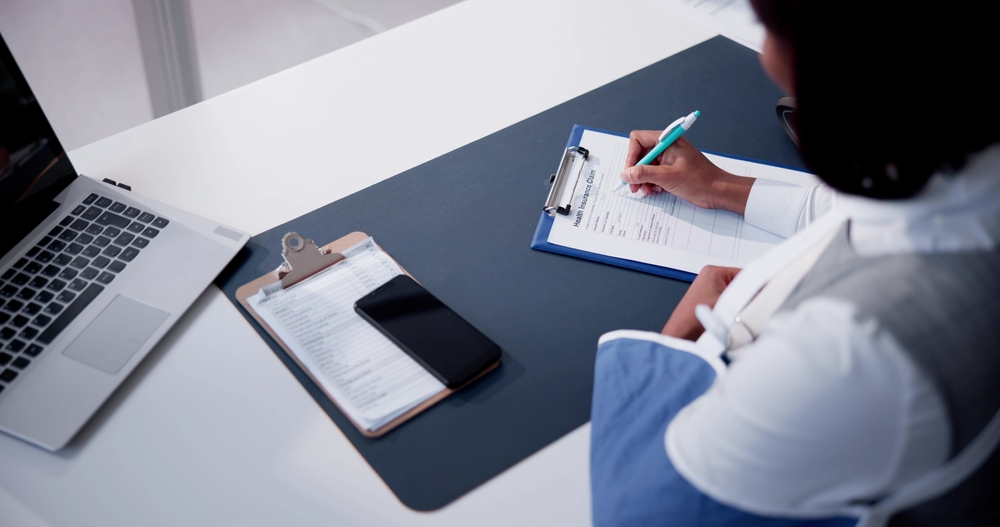 Yes. Massachusetts follows a modified comparative negligence rule. You recover compensation if you were not more than 50% responsible for the crash, although your recovery is reduced by your percentage of fault.
Fault disputes happen in many rideshare cases because several drivers could share responsibility. Insurance companies frequently disagree over who caused the collision, making evidence especially important.
How Comparative Negligence Affects a Claim
Massachusetts applies its comparative negligence law to rideshare accidents the same way it applies to other motor vehicle crashes. More than one party contributes to the same collision.
For example, responsibility involve:
- The rideshare driver.
- Another motorist.
- A commercial vehicle operator.
- A pedestrian or cyclist.
Accurate crash reconstruction, witness statements, electronic trip records, and vehicle data help determine how fault should be divided.
Even when fault is shared, a careful review of the evidence preserves your ability to recover damages.
FAQ for Rideshare Accident Liability Massachusetts
Does Uber or Lyft automatically pay after every accident?
No. Uber or Lyft insurance applies only under certain circumstances based on the driver’s status in the app at the time of the crash. The available coverage depends on whether the app was off, waiting for a ride request, or transporting a passenger.
Can I sue Uber or Lyft directly after a Massachusetts rideshare accident?
It depends. Most claims focus on the negligent driver’s insurance and the rideshare company’s applicable insurance policy. Direct claims against the rideshare company depend on the specific facts and applicable law.
What if another driver caused my Uber or Lyft accident?
You can pursue a claim against the at-fault driver’s insurance. If that driver’s coverage is unavailable or insufficient, uninsured or underinsured motorist benefits or rideshare insurance also apply.
Do I need to report a rideshare accident through the Uber or Lyft app?
Yes. Reporting the crash through the rideshare platform creates a record of the incident and helps identify the insurance coverage that applies. You should also report the collision to your own insurance carrier if your policy requires notice.
How long do I have to file a rideshare accident lawsuit in Massachusetts?
Massachusetts generally gives injured people three years to file a personal injury lawsuit arising from a motor vehicle accident. Waiting too long may prevent a claim from moving forward.
Take Action After a Massachusetts Rideshare Accident Liability Review

Bailey, Michael J., Rideshare Accident Lawyer in Massachusetts
Rideshare accident liability in Massachusetts depends on far more than identifying the driver involved in the crash. Insurance coverage changes with each stage of the trip, and several policies apply to the same collision.
At Bailey & Burke, we review the rideshare driver’s status, identify every available insurance policy, and evaluate every source of financial recovery under Massachusetts law. If you were injured in an Uber or Lyft accident, speak with our team before accepting an insurance settlement.
Call Bailey & Burke at 888-368-0983 for a free consultation. You pay nothing upfront, and we charge no fee unless we recover compensation for you.