
Under certain conditions, a business can be held financially responsible if a worker causes a crash while sending a work-related text. The law holds the employer responsible for accidents caused by their staff while on the clock.
The concept of vicarious liability for distracted driving in Massachusetts means that a company can be held accountable when a worker causes a crash while sending a quick reply to a boss or client. This rule applies even if the worker is driving a personal vehicle.
When an accident involves a distracted worker, uncovering the truth about their digital activity can shift financial responsibility to the business itself. Contact Bailey & Burke today for a free consultation.
Key Takeaways about Vicarious Liability for Distracted Driving in Massachusetts
- Employers can be held financially responsible when their workers cause accidents while performing job duties.
- Checking work emails or answering business calls while driving often falls under the worker’s scope of employment.
- Commercial insurance policies generally provide much higher coverage limits than personal auto policies.
- Holding an employer responsible requires showing the worker was acting on behalf of the company at the time of the crash.
- A quick response to a supervisor or client is frequently enough to link the driver’s actions back to the business.
Understanding Vicarious Liability for Distracted Driving in Massachusetts
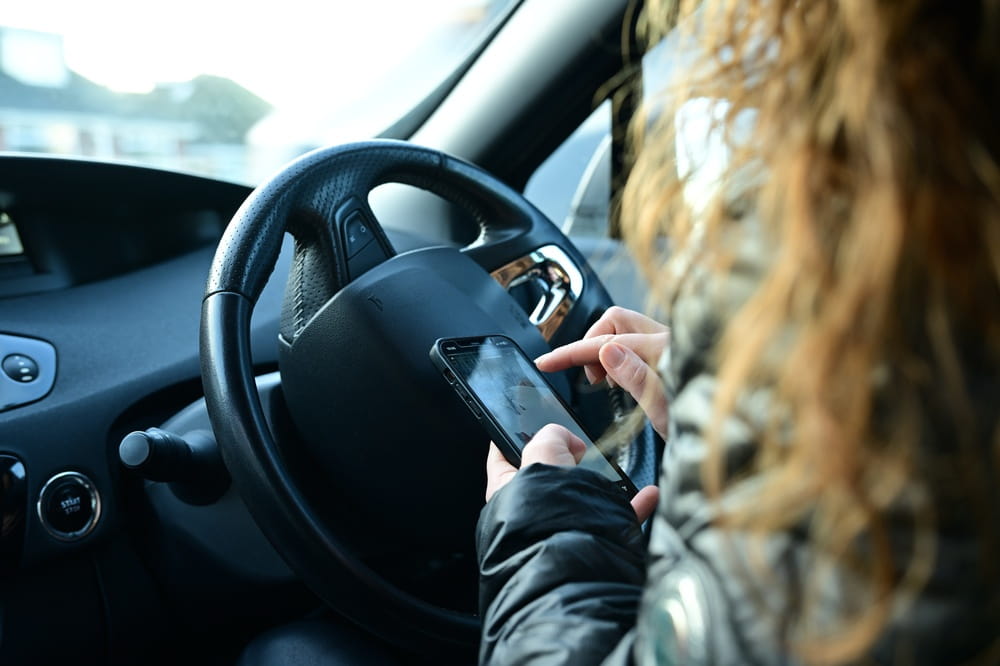
Distracted driving is a serious concern on our local roads, whether driving past the Wachusett Reservoir or commuting down busy city streets. When someone checks a delivery route or texts a client, looking away from the road for even a few seconds can change lives forever.
The legal concept of vicarious liability for distracted driving in Massachusetts provides a path for injured individuals to seek justice directly from the company that employed the careless driver.
When pursuing a claim against an employer, several key points apply:
- Vicarious liability simply means one entity can be held responsible for the actions of another.
- A worker’s actions behind the wheel often act as an extension of the company they work for.
- If a text or call benefited the business, the business is involved in the accident.
- Companies cannot avoid responsibility just by claiming they did not know the worker was texting.
Recognizing these dangers, the state enforces strict guidelines regarding cell phone use, which you can review on the Massachusetts safe driving laws overview. Pursuing this type of claim means looking past the driver to the corporate entity that created the urgency to reply.
When unreasonable demands for constant communication lead to dangerous driving, the employer should pay for the resulting harm.
How the Respondeat Superior Doctrine Employer Liability Works
The legal foundation for holding a company responsible is known by the Latin phrase respondeat superior, which translates to “let the master answer.”
The respondeat superior doctrine of employer liability is a rule stating that employers are legally accountable for actions their employees take while on the job. If a worker causes harm while performing assigned tasks, the employer must answer for that harm.
This doctrine exists for very fair reasons and applies under specific conditions:
- Businesses profit from the labor and activities of their workers.
- Because companies reap the benefits, they must bear the burdens when that work causes harm.
- The rule applies to all kinds of businesses, from massive delivery corporations to small local shops.
- It does not matter if the company specifically told the worker to put their phone away.
What truly matters is what the worker was actually doing at the moment of the crash. If the worker was furthering the business interests of the employer, the respondeat superior doctrine of employer liability dictates that the company must take responsibility. This holds true even for crashes caused during basic work-related errands.
Suing a Company for Employee Texting: Why It Matters
Why is it necessary to involve the employer at all instead of just holding the driver accountable? The primary reason involves the ability to actually recover enough compensation to heal and move forward. Personal auto insurance policies often have very low limits that cannot cover the massive cost of severe injuries.
Suing the company for employee texting shifts the focus to the employer’s responsibility and offers several vital benefits:
- It opens the door to financial resources that the individual driver simply does not have.
- It addresses the reality that the business violated basic safety principles by requiring immediate replies.
- It holds the company directly accountable for putting productivity ahead of public safety.
- It forces businesses to change dangerous policies and communication expectations.
The state takes texting while driving very seriously, as outlined in Massachusetts General Laws Chapter 90 Section 8M. By bringing a claim against the company, injured individuals help make our local roads safer for everyone in the community.
The Importance of a Scope of Employment Analysis

To successfully hold a company responsible, we must prove the worker was actually working when the crash happened. This requires a detailed scope of employment analysis. This analysis looks at the specific facts of the day to determine if the driver’s actions were tied to their job.
The scope of employment analysis looks at several key factors to establish a clear connection between the driver and the company. The analysis typically involves investigating the following details:
- The exact time and location of the accident compared to the worker’s normal hours.
- The specific purpose of the trip the driver was taking.
- The content of the text message or email being sent or read.
- Whether the employer provided the cell phone or paid the monthly phone bill.
- The employer’s expectations regarding communication outside of standard office hours.
Gathering this information is crucial for building a strong case. By examining these specific points, a clear link between the distraction and the employer’s business becomes visible. This analysis serves as the bridge connecting the driver’s mistake to the company’s financial responsibility.
Employer Liability for Employee Negligence in Personal Vehicles
A common misconception is that a company is only responsible if the worker was driving a branded company vehicle. Employer liability for employee negligence applies regardless of whose name is on the car’s title. If a worker is driving their own personal sedan on their way to drop off bank deposits for the store, they are officially working.
If that worker causes a crash because they were distracted by a text from their manager, the company is liable. The vehicle itself does not dictate the liability. Employer liability for employee negligence focuses entirely on the relationship between the worker’s actions and the employer’s business needs.
If you were injured by a distracted driver, it is critical to look deeply into why they were distracted. We see cases where people are terribly hurt because someone felt pressured to instantly reply to a work email. Digging into the details often reveals a clear path to holding the employer responsible.
Accessing Commercial Auto Insurance Policy Limits
The most significant impact of proving employer responsibility relates directly to insurance coverage. Personal auto insurance policies in our state often carry minimum limits that barely cover an initial hospital visit. When injuries are severe, these personal limits are exhausted almost immediately, leaving injured individuals facing massive medical debt.
Businesses, however, are required to carry commercial insurance. The state mandates various insurance rules, monitored through the Massachusetts Division of Insurance.
Accessing commercial auto insurance policy limits changes everything for an injured person because:
- Commercial policies typically have much higher limits, often starting at one million dollars or more.
- These larger policies can cover the massive costs of physical therapy and long-term care.
- They provide the necessary funds to replace lost wages if you cannot return to work.
- They offer a realistic path to financial stability rather than years of debt.
When a company’s demands cause a devastating crash, its commercial policy should bear the financial weight of the recovery. Reaching these higher limits provides a sense of hope that you will actually have the resources needed to truly heal.
Commercial Vehicle Accident Settlement Tiers
Because commercial insurance policies have higher limits, claims involving corporate policies often fall into different commercial vehicle accidents settlement tiers based on the severity of the harm. These tiers are largely determined by the long-term impact the injuries have on a person’s daily life.
Insurance companies evaluate claims by looking at the total economic and personal loss. The commercial vehicle accident settlement tiers generally consider the following elements:
- The total cost of past and future medical care.
- The amount of wages lost while recovering and any loss of future earning capacity.
- The severity of physical pain and the emotional toll the injuries have taken.
- The need for ongoing in-home care or modifications to living spaces.
- The overall impact on the individual’s quality of life and daily activities.
Companies and their insurers will fight hard to keep settlements as low as possible. Properly categorizing the full extent of the damages helps the injured person pursue fair compensation that reflects the true cost of the accident.
Investigating Vicarious Liability Distracted Driving in Massachusetts
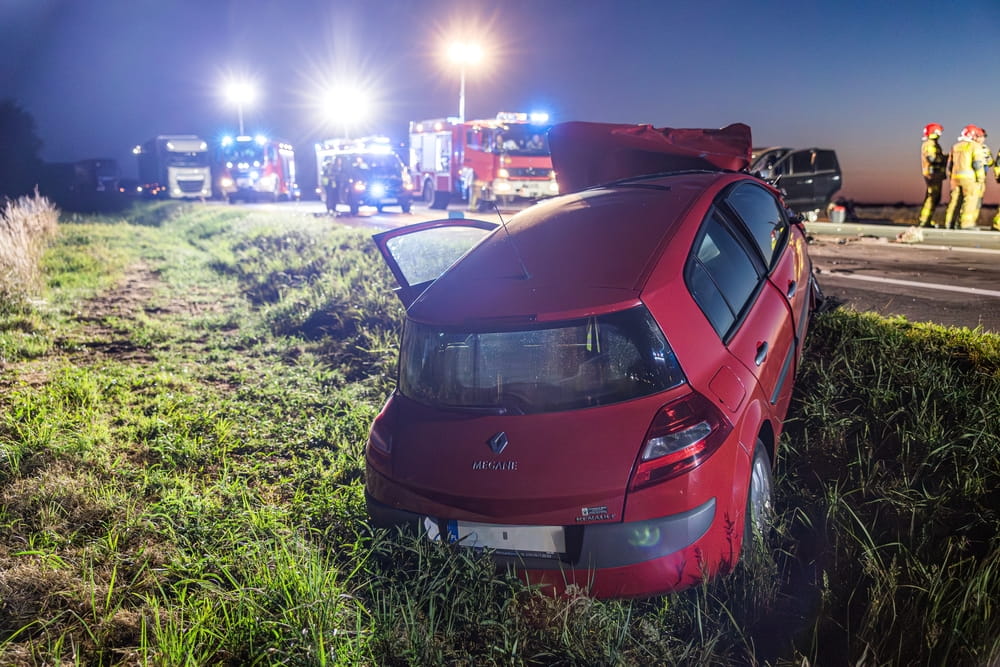
Proving that a worker was distracted by job duties requires a prompt and thorough investigation. Evidence disappears quickly, as cell phone records can be deleted and corporate communication logs can be altered, which is why waiting to sue destroys evidence. Building a case for vicarious liability involving distracted driving in Massachusetts means acting fast to preserve the digital paper trail.
There are specific types of evidence essential for proving the driver was working at the time of the crash. Key pieces of evidence include:
- The driver’s cell phone records showing exact timestamps of data usage.
- Internal company emails or messages sent around the time of the crash.
- Dispatcher logs or route tracking software data.
- Statements from witnesses who saw the driver holding a phone.
- The employer’s official policies regarding phone use and communication expectations.
Securing this evidence paints an undeniable picture of what was happening inside the vehicle. When the digital footprints align with the moment of the crash, the employer’s responsibility becomes clear.
The Difference Between Commuting and Working
A major defense that companies use is claiming the worker was simply commuting. Generally, the law considers driving to and from work as personal time, meaning the employer is not responsible for crashes during a standard morning drive. However, there are many exceptions to this commuting rule.
If the worker is performing a task for the employer during their commute, the commute becomes part of their job. For example, if a boss asks an employee to pick up office supplies on their way in, that drive is now a work errand. The distinction between a personal commute and a work errand is a critical battleground in these legal claims.
Holding Companies Accountable for Dangerous Cultures
Many distracted driving accidents, whether it be car or truck accidents, usually happen because of the culture a company creates. If a business praises employees who answer emails at all hours, they are creating a dangerous environment. They are sending a message that immediate communication is more important than road safety.
When a company fosters a culture of constant connection, they share the blame when that culture leads to a crash. True accountability means looking at how the business actually operates in the real world, rather than just what is written in an employee handbook.
By pursuing these claims, lawyers force the corporate world to pay attention and help protect other families from suffering similar injuries in the future.
FAQs about Vicarious Liability in Distracted Driving Accidents in Massachusetts
Can I sue the delivery company if their driver was texting on his personal phone?
Yes, if the driver was texting for work purposes or performing job duties, the company can be held responsible regardless of whose phone or car was used.
How do you prove the other driver was sending a work email?
Cell phone records, data usage timestamps, and internal corporate communication logs can be subpoenaed to prove exactly what the driver was doing at the moment of the crash.
Does the company still pay if the worker was driving to lunch?
Typically, a standard lunch break is considered personal time, but if the worker was picking up lunch for the whole office at the boss’s request, the company could be liable.
Are employers responsible if they have a strict no-texting policy?
Yes, a written policy does not automatically protect the company if they still required the worker to be responsive or if the worker was actively performing a job duty during the crash.
Will the worker be personally financially ruined if the company is sued?
Usually, the goal is to access the employer’s commercial insurance policy, which covers the damages without requiring the individual worker to pay out of their own pocket.
Contact The Law Offices of Bailey & Burke Today

Bailey, Michael J., Personal Injury Lawyer in Massachusetts
When a distracted worker causes a crash, you deserve honest answers and a clear path forward. Since 1971, The Law Offices of Bailey & Burke have proudly served our local communities, helping people find hope and stability after devastating accidents. We see the struggles you are facing, and we are here to listen and help you rebuild.
We charge no fees unless you win, so you never have to worry about attorney costs as we fight for the compensation you need. Call us today at 888-368-0983 to discuss your situation and learn how we can help you take control of your future.