
If you or a loved one were struck by a rented box truck in Massachusetts and are wondering whether you can sue a rental truck company in Massachusetts, the short answer is: yes, it may be possible, but a federal law called the Graves Amendment creates a significant hurdle.
The good news is that this law has a built-in exception. When the rental company itself was careless, particularly by putting a poorly maintained truck on the road, that federal shield can fall away. This exception could make a real difference in who is held accountable for your injuries and how much compensation for this truck accident is available to you. Contact Bailey & Burke today for a free consultation.
Key Takeaways for Suing a Rental Truck Company in Massachusetts
- A federal law known as the Graves Amendment generally protects rental truck companies from being held liable simply because they own the vehicle involved in a crash.
- The law contains a critical negligence exception: if the rental company was negligent in its own right, the protection does not apply.
- Common examples of rental company negligence include renting out trucks with bald tires, worn brakes, faulty steering, or broken lights.
- Federal maintenance regulations require commercial vehicle owners to keep their fleets in safe operating condition at all times.
- Proving a rental company failed to maintain its vehicles properly often requires prompt evidence preservation, including maintenance logs, inspection records, and the truck itself.
- An experienced personal injury attorney can investigate whether the negligence exception applies and hold the rental company accountable.
What Is the Graves Amendment and Why Does It Matter?

When someone renting a box truck from a company like U-Haul, Penske, or Budget causes a crash, injured people naturally want to know who is financially responsible. In most situations, the at-fault driver’s insurance is the first place to look. But what about the company that owns the truck? Aren’t they responsible too?
Before 2005, many states allowed injured people to hold rental and leasing companies liable simply because they owned the vehicle involved in a crash. This legal concept is called vicarious liability.
Congress changed that when it passed the Graves Amendment as part of the Safe, Accountable, Flexible, Efficient Transportation Equity Act. Codified at 49 U.S.C. § 30106, the law states that a vehicle owner engaged in the business of renting or leasing motor vehicles cannot be held liable under any state law solely because it owns the vehicle, as long as two conditions are met:
- The owner is in the trade or business of renting or leasing motor vehicles.
- There is no negligence or criminal wrongdoing on the part of the owner.
Because it is a federal law, the Graves Amendment preempts (overrides) conflicting state laws across the country, including here in Massachusetts. This means that commercial lessor liability based purely on vehicle ownership is generally off the table.
For accident victims, this can feel like a closed door. The at-fault driver of a rented box truck may carry only minimal insurance. The rental company, on the other hand, typically has far deeper pockets and much larger insurance policies.
Losing the ability to sue a rental truck company in Massachusetts can dramatically reduce the compensation available to cover medical bills, lost wages, and pain and suffering.
The Negligence Exception: The Key to Piercing the Graves Amendment Defense
Here is where things get more hopeful. The Graves Amendment does not grant rental companies blanket immunity. Look again at the second condition: the protection only applies when “there is no negligence or criminal wrongdoing on the part of the owner.”
This negligence exception is the crack in the shield. If the rental company was independently negligent, meaning it did something careless or failed to do something it should have done, the Graves Amendment defense in personal injury cases simply does not apply. The company loses its federal protection and can be held directly liable for the harm its negligence caused.
This is not a theoretical loophole. It is a deliberate part of the law. Congress chose to protect rental companies from being blamed for their customers’ bad driving, but it did not choose to protect companies that put dangerous vehicles on the road.
There is a meaningful difference between a company that hands over a safe truck to a reckless driver and one that hands over a truck with failing brakes to anyone.
How Rental Company Negligence in Maintenance Creates Liability
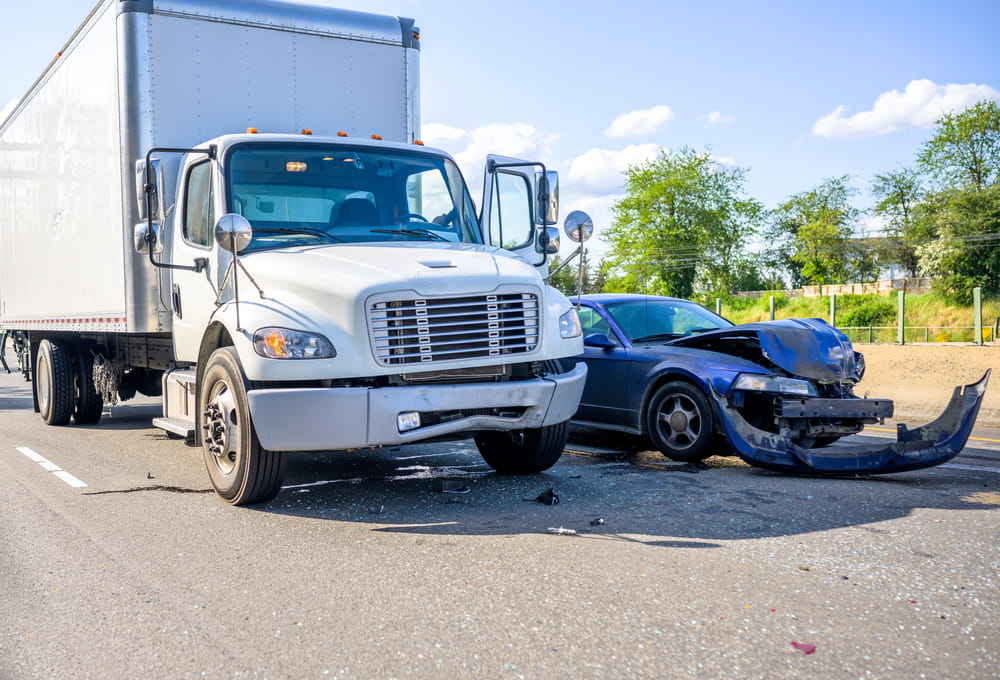
The most common way to overcome the Graves Amendment in rented box truck cases is by proving the rental company failed to properly inspect, maintain, or repair its vehicles. These companies are commercial businesses that put heavy trucks into the hands of the public, often to drivers with no experience handling large vehicles. With that business comes a serious responsibility to keep those trucks safe.
Federal regulations reinforce this obligation. Under 49 CFR Part 396, motor carriers must systematically inspect, repair, and maintain all commercial motor vehicles under their control. Parts and accessories must be in safe and proper operating condition at all times. That includes brakes, tires, steering systems, suspension, lights, and more.
Massachusetts has adopted these federal standards, meaning they apply to rental truck companies operating within the Commonwealth as well.
When a rental company cuts corners on maintenance, the consequences can be devastating. Some common examples of rental company negligence in maintenance include:
- Renting out a truck with bald or underinflated tires, increasing the risk of blowouts or loss of traction, especially on wet roads.
- Failing to replace worn brake pads or repair a faulty braking system, leaving the driver unable to stop safely.
- Ignoring known steering or suspension problems that can cause the driver to lose control.
- Neglecting to repair broken headlights, taillights, or turn signals, making the truck harder for other drivers to see.
- Skipping required periodic inspections or falsifying maintenance records.
- Failing to act on problems reported by previous renters or company employees.
Each of these failures represents a potential 49 USC 30106 exception that could strip away the company’s federal protection. When a mechanical defect contributes to a crash, the rental company may be held directly responsible for the resulting injuries.
Negligent Entrustment: Another Path Around the Shield
Beyond maintenance failures, there is another form of rental company negligence that can defeat the Graves Amendment: negligent entrustment. This legal theory applies when a company rents a vehicle to someone it knew, or should have known, was not safe to drive it.
Consider a scenario where a rental company hands over a 26-foot box truck to someone without verifying that they hold a valid driver’s license. Or imagine a situation where the renter is visibly intoxicated at the time of pickup.
In cases like these, the rental company’s own carelessness in choosing who to trust with a large commercial vehicle could be the basis for a direct negligence claim.
Negligent entrustment can also arise when a company fails to follow its own internal policies about checking driving records or verifying renter qualifications. The gap between written policy and actual practice can serve as strong evidence of negligence.
These claims do not rely on vicarious liability at all. They are based on the rental company’s own independent wrongdoing, which is exactly the kind of conduct the Graves Amendment does not protect.
Why Evidence Preservation Is Critical in These Cases
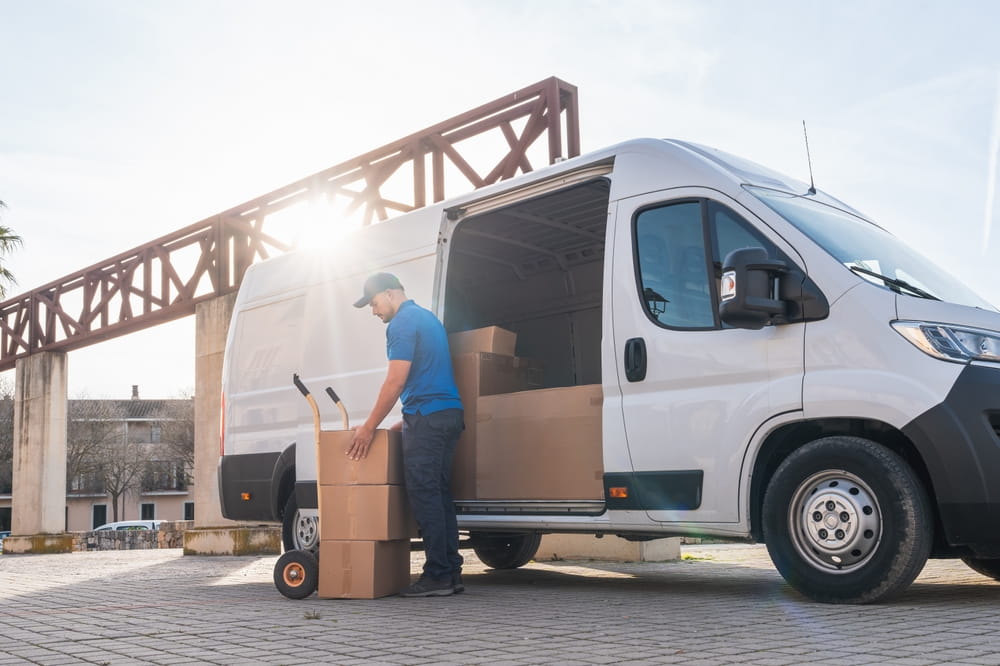
One of the biggest challenges in holding a rental truck company accountable is proving what the company knew and when it knew it. Rental companies control their own maintenance records, inspection logs, and repair histories. Without fast action, this evidence can disappear.
The rental company may quickly retrieve the vehicle, repair it, or send it to auction, making it much harder to prove a mechanical defect played a role.
A personal injury attorney can take immediate steps to protect this evidence, including:
- Sending a legal preservation letter to the rental company, requiring them to retain the truck, all maintenance records, inspection logs, and internal communications about the vehicle.
- Working with accident reconstruction professionals who can document the truck’s condition at the scene.
- Requesting the truck’s full service history, including records of prior renter complaints and any deferred repairs.
- Obtaining data from electronic logging devices or onboard diagnostic systems, if available, that may reveal mechanical issues.
Time matters enormously in these cases. The sooner evidence is secured, the stronger the case for proving rental company negligence in maintenance or entrustment.
What This Means for Accident Victims in Massachusetts
Massachusetts follows a modified comparative negligence system, meaning an injured person can recover damages as long as they are not more than 50 percent at fault for the accident. But the real question in many rented truck cases is not about fault percentages. It is about who can be held financially responsible.
When the at-fault driver of a rented box truck carries only basic insurance, the compensation available may not come close to covering the true cost of serious injuries. Catastrophic injuries from box truck accidents, including traumatic brain injuries, spinal cord damage, and multiple fractures, can result in costs that stretch into the hundreds of thousands or even millions of dollars.
Successfully piercing the Graves Amendment shield by proving the rental company was negligent opens the door to the company’s own insurance coverage and assets. For families throughout Worcester County and the surrounding communities, rented box trucks are a common sight, especially during moving season.
When a rental company fails to keep them safe, the people of our communities pay the price.
Building a Strong Case Against a Rental Truck Company
Proving that a rental company’s negligence caused or contributed to an accident requires a thorough investigation. It is not enough to simply show that the truck had a mechanical problem. The connection between the defect, the company’s failure to address it, and the crash itself must be clearly established. A strong case typically involves:
- A detailed mechanical inspection of the truck by a qualified professional, ideally before the company has a chance to repair or dispose of it.
- A review of the company’s maintenance records to identify patterns of neglect, missed inspections, or ignored repair needs.
- Testimony from industry professionals who can speak to the standard of care expected of commercial vehicle rental companies.
- Accident reconstruction analysis connecting the mechanical defect to the crash.
- Full documentation of the victim’s injuries, medical treatment, lost income, and other damages.
Each piece of evidence builds on the others to paint a compelling picture of a company that prioritized profits over safety.
FAQs for Suing a Rental Truck Company in Massachusetts
Who pays if a U-Haul hits me?
In most cases, the at-fault driver’s insurance is the primary source of compensation. However, if the rental company was negligent, for example, by failing to maintain the truck properly, you may also be able to file a claim against the rental company. Your own auto insurance, including uninsured or underinsured motorist coverage, may also come into play depending on the circumstances.
Does the Graves Amendment apply to all types of rental vehicles?
Yes, the law broadly covers motor vehicles that are rented or leased by companies in the business of renting vehicles. This includes rental cars, box trucks, moving vans, and other commercial vehicles. However, the negligence exception applies equally to all of these vehicle types.
What is the deadline to file a lawsuit after a rental truck accident in Massachusetts?
Massachusetts generally allows three years from the date of the injury to file a personal injury lawsuit. However, waiting too long can make it much harder to preserve critical evidence like the truck’s condition and maintenance records. Speaking with an attorney as soon as possible helps protect both your rights and your case.
Can I still recover compensation if I was partially at fault for the accident?
Under Massachusetts law, you can still recover damages as long as you were not more than 50 percent responsible for the accident. Your compensation would be reduced by your percentage of fault. For example, if you were found 20 percent at fault, your total award would be reduced by 20 percent.
How is commercial lessor liability different from suing a regular driver?
When you sue a rental or leasing company, the legal issues are more complex because of the Graves Amendment’s federal protections. You cannot hold the company liable just because it owns the truck. Instead, you need to prove the company was directly negligent, such as through poor maintenance or negligent entrustment. This requires a more detailed investigation and often involves federal regulatory standards that do not apply in a typical car accident case.
Hurt by a Rented Box Truck? We Are Here to Help.

Bailey, Michael J., Personal Injury Lawyer in Massachusetts
If you or someone you love has been seriously injured in an accident involving a rented box truck, you deserve to know all of your legal options, including whether the rental company itself can be held accountable.
At the Law Offices of Bailey & Burke, we have been standing up for injured people and their families since 1971. We understand how to investigate these complex cases, preserve critical evidence, and build strong claims that hold negligent companies responsible.
We handle personal injury cases on a contingency basis, which means you pay no attorney fees unless we win your case.
To learn more about how we approach commercial vehicle accident cases, or to schedule a free consultation, call us today at 888-368-0983. We are proud to serve families across Clinton, Worcester, Fitchburg, Leominster, and communities throughout Massachusetts.